How to Choose the Right Hot Stamping Machine for Your Operation
How to Choose a Hot Stamping MachineChoosing a hot stamping machine is not a small decision. The wrong press — even a quality one — can mean daily workarounds, production bottlenecks, and faster wear on tooling and parts. The right one runs efficiently for decades. This guide walks purchasing managers and plant managers through the key factors that determine which hot stamping machine is the right fit for your operation.
How to Choose a Hot Stamping Machine
What is a hot stamping machine?
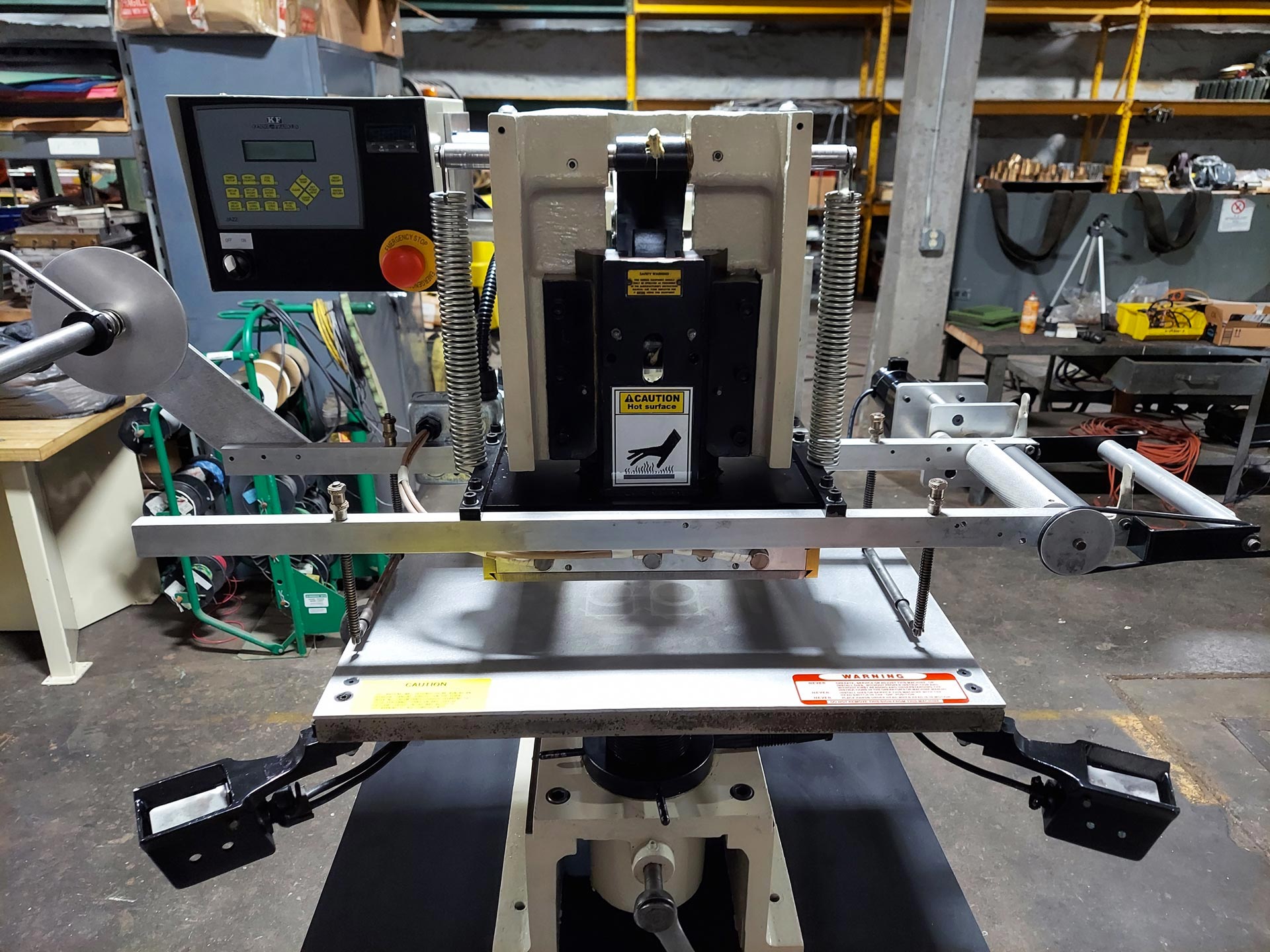
A hot stamping machine uses heat and pressure to transfer foil, pigment, or metallic material from a carrier onto a substrate — paper, leather, plastic, packaging, and more. The process delivers sharp, durable decoration that is difficult to replicate with ink-based methods. Hot stamping is widely used in packaging, card and credential printing, promotional products, and industrial marking.
The machine applies a heated die to a foil carrier, bonding the transfer material to the target surface in a single press stroke. The result is a precise, repeatable impression with excellent edge definition and a professional finish.
How to Choose a Hot Stamping Machine
Key factors to evaluate before you buy
1. Tonnage and press force
Press force — measured in tons — determines what substrates and die sizes the machine can handle. Lighter-duty presses in the 1–3 ton range are suited for small-format work on paper and thin plastics. Mid-range presses from 5–8 tons handle larger die areas and denser substrates. Heavier industrial presses are used for high-volume or large-format production runs.
Undersizing your press leads to incomplete transfers and registration problems. Oversizing wastes energy and floor space. Match your tonnage requirement to your largest expected die area with a reasonable margin of safety.
2. Platen size and die area
Platen size sets the maximum die area the press can accommodate. If your products vary in size, choose a platen that handles your largest format without requiring a second press. Keep in mind that effective die area is slightly smaller than the total platen — factor this into your tooling layout.
3. Stroke speed and production volume
Stroke speed directly affects throughput. Shops running high volumes on short-run jobs need faster stroke cycles. Operations running longer runs on a single setup can often tolerate slower speeds in exchange for more precise control over heat and pressure settings.
4. Heating system and temperature control
Consistent, repeatable temperature control is critical for foil quality. Look for presses with independent heating zones if you are running multi-die setups, and verify the temperature range covers the foil types your operation uses. Analog temperature controllers are adequate for simple single-foil work; digital controllers with closed-loop feedback are worth the investment for demanding applications.
5. Manual vs. automatic operation
Manual hot stamping presses require an operator for every stroke and are well-suited for short runs, custom work, and setups where flexibility matters more than speed. Automatic presses integrate with feeding systems and are designed for continuous high-volume production. Semi-automatic machines bridge the gap, handling the press stroke automatically while an operator positions material.
Manual Press — good fit when:
- Short or variable runs
- Multiple substrate types
- Custom or specialty work
- Lower initial investment needed
Automatic Press — good fit when:
- High-volume continuous runs
- Consistent substrate and foil type
- Labor cost reduction is a priority
- Integration with feeding systems
6. Parts availability and service support
This factor is frequently overlooked until a machine goes down. A press is only as good as your ability to keep it running. Before purchasing any hot stamping machine, verify that OEM replacement parts are available, that service support exists, and that documentation — manuals, parts diagrams — is accessible.
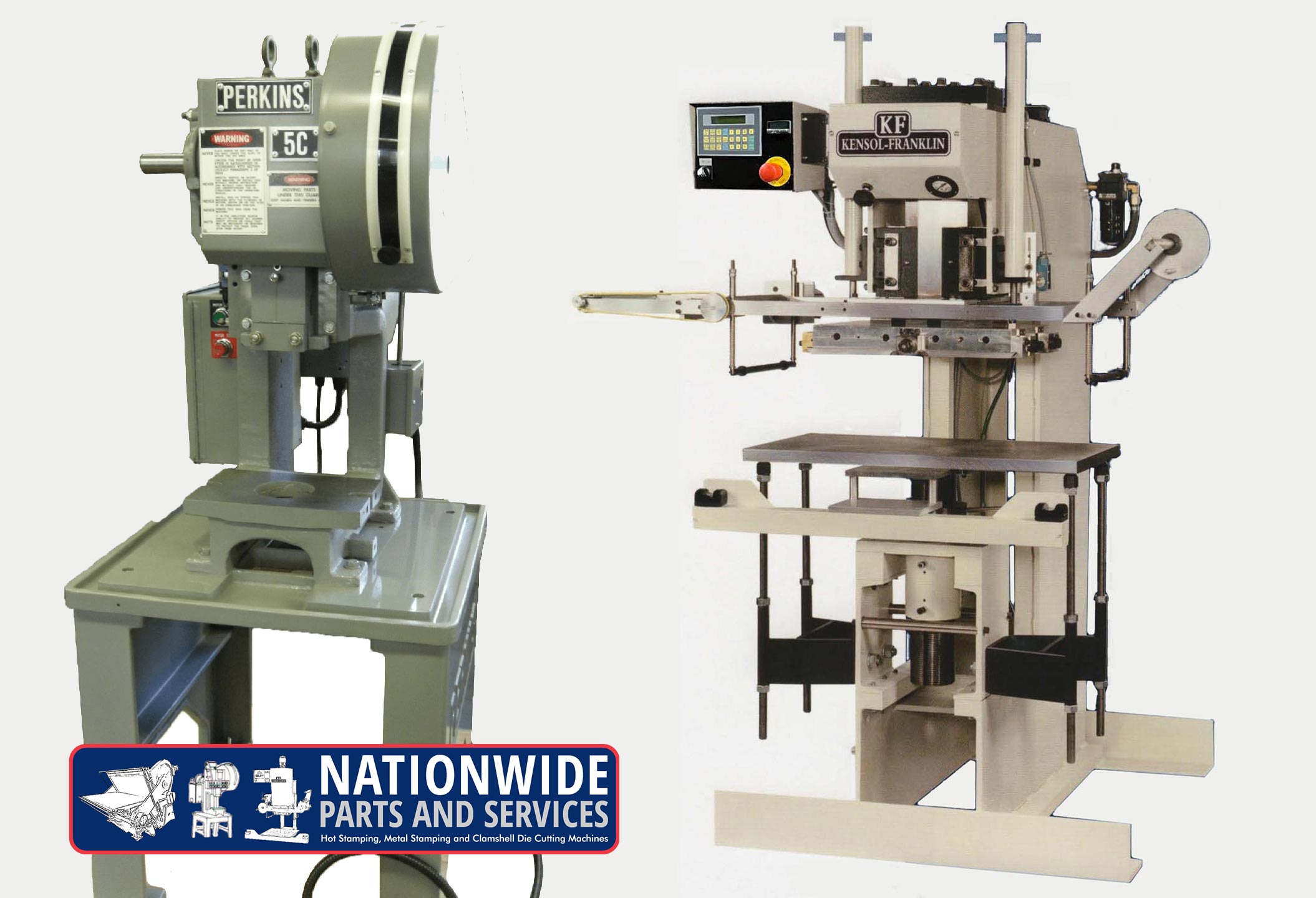
This is one area where Kensol Franklin presses have a clear advantage. Nationwide Parts and Services is the exclusive OEM source for Kensol Franklin parts and documentation, meaning the machines we sell and service have guaranteed parts availability and technical support behind them for the life of the press.
The Kensol Franklin lineup:
matching model to application
Kensol Franklin hot stamping presses are among the most durable and well-supported machines in the industry. Here is a brief overview of the core models to help frame your decision:
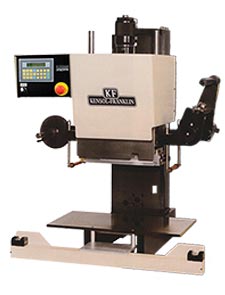
KF1000A
Compact, 1-ton press suited for light-duty foil work, small-format stamping, and specialty applications.
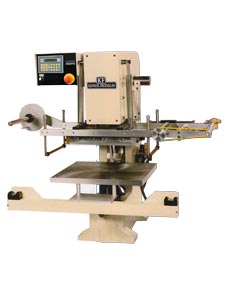
KF2500A
2.5-ton workhorse for mid-size production runs across paper, plastics, and leather substrates.
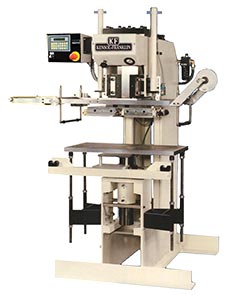
KF5000T
5-ton press offering expanded platen capacity and higher throughput for demanding production environments.
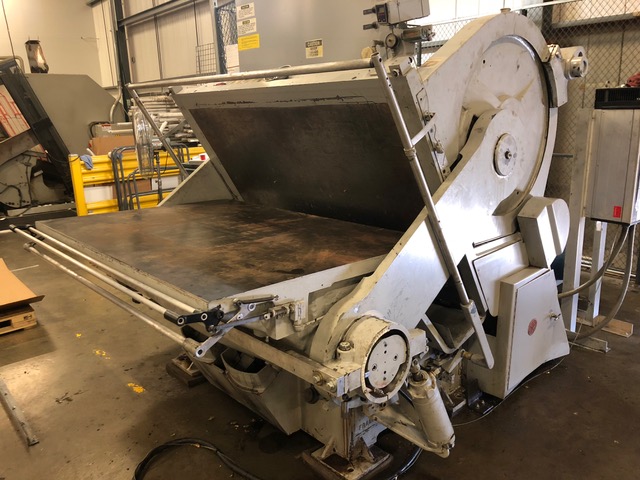
KF8500W
8.5-ton heavy-duty press for large-format die areas and high-volume industrial applications.
Not sure which model fits your production requirements? Our team can walk through your application, substrate, die size, and volume expectations to match you with the right press — or recommend a rebuilt machine if budget is a constraint.
How to Choose a Hot Stamping Machine
New vs. rebuilt hot stamping machines
A professionally rebuilt Kensol Franklin press can deliver like-new performance at a significantly lower cost than a new machine. Nationwide Parts and Services performs full press rebuilds — replacing worn components with OEM parts, verifying calibration, and returning machines to factory specification. For plant managers working within a capital budget, a rebuilt press is often the best value in the market.
Ready to find the right hot stamping machine? Contact Nationwide Parts and Services at 508-528-2000 or visit nationwidepas.com. We carry new and rebuilt Kensol Franklin presses and can help you spec the right machine for your operation.
Summary
The best hot stamping machine for your operation is the one that matches your tonnage requirements, platen size needs, production volume, and — critically — has reliable OEM parts and service support behind it. Take time to evaluate all six factors above before committing to a purchase, and talk to a supplier who can back up the machine with ongoing support after the sale.
Kensol Franklin Hot Stamping Presses
Support and Parts
Thomson Value Line
Standard Die Cutters
Preco Clam Shell Style
ITM
Cauhe
Crest
Contact Us
Nationwide Parts and Services
1 Main Street
Suite 5
Whitinsville, Ma 01588
Phone: 508-528-2000
Email: contact@nationwidepas.com